A Practical assessment tool for diagnosing and managing Long Covid
A good practical assessment tool, (app and questionnaire) for long Covid


Latest Research | Long Covid
Latest long COVID research explores persistent symptoms, underlying mechanisms, and potential treatments. Studies reveal multi-system impacts, including cardiovascular, neurological, and respiratory issues. Researchers are investigating biomarkers for diagnosis and effective therapeutic interventions. Emerging data suggest the importance of vaccination in reducing long COVID risk. Ongoing trials aim to identify targeted therapies to alleviate prolonged symptoms and improve patient outcomes.

A good practical assessment tool, (app and questionnaire) for long Covid

Researchers investigated immune and hormonal differences in individuals with Long COVID compared to those without. They found significant variations, including higher levels of specific immune cells, stronger antibody responses to SARS-CoV-2 and Epstein-Barr virus (EBV), and lower levels of the stress hormone cortisol in Long COVID patients.

In the face of healthcare disparities and persistent symptoms, LGBTQ+ survivors are forging paths to healing through solidarity, advocacy, and resilience

Doctors share experiences and recommendations on diagnosing, managing, and referring patients with Long COVID

Mitochondria are often referred to as the powerhouse of cells, responsible for producing energy in the form of adenosine triphosphate (ATP) through oxidative phosphorylation. In Long COVID, mitochondrial dysfunction can occur due to various factors, including viral impact, immune system dysregulation, and oxidative stress, leading to impaired energy production and cellular processes.

The COVID-19 pandemic has disproportionately affected Indigenous and racialized women, exacerbating existing inequalities and highlighting systemic issues.
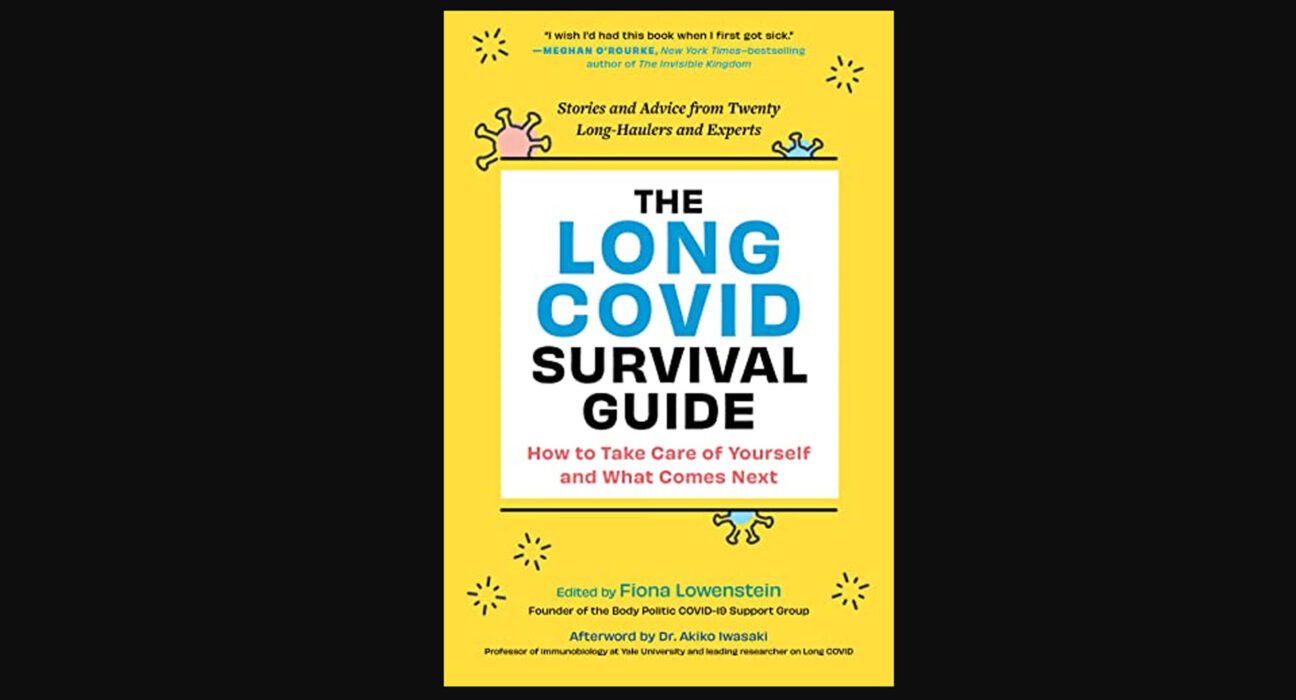
The Long COVID Survival Guide: How to Take Care of Yourself and What Comes Next—Stories and Advice from Twenty Long-Haulers and Experts" by Fiona Lowenstein

Mental health challenges in Long COVID can manifest in a variety of ways, including persistent anxiety, depression, mood swings, cognitive dysfunction (such as "brain fog"), insomnia, and post-traumatic stress symptoms

Psychosis in Long COVID may present with a variety of symptoms, including hallucinations (seeing or hearing things that aren't there), delusions (false beliefs not based on reality), disorganized thinking, paranoia, and cognitive disturbances
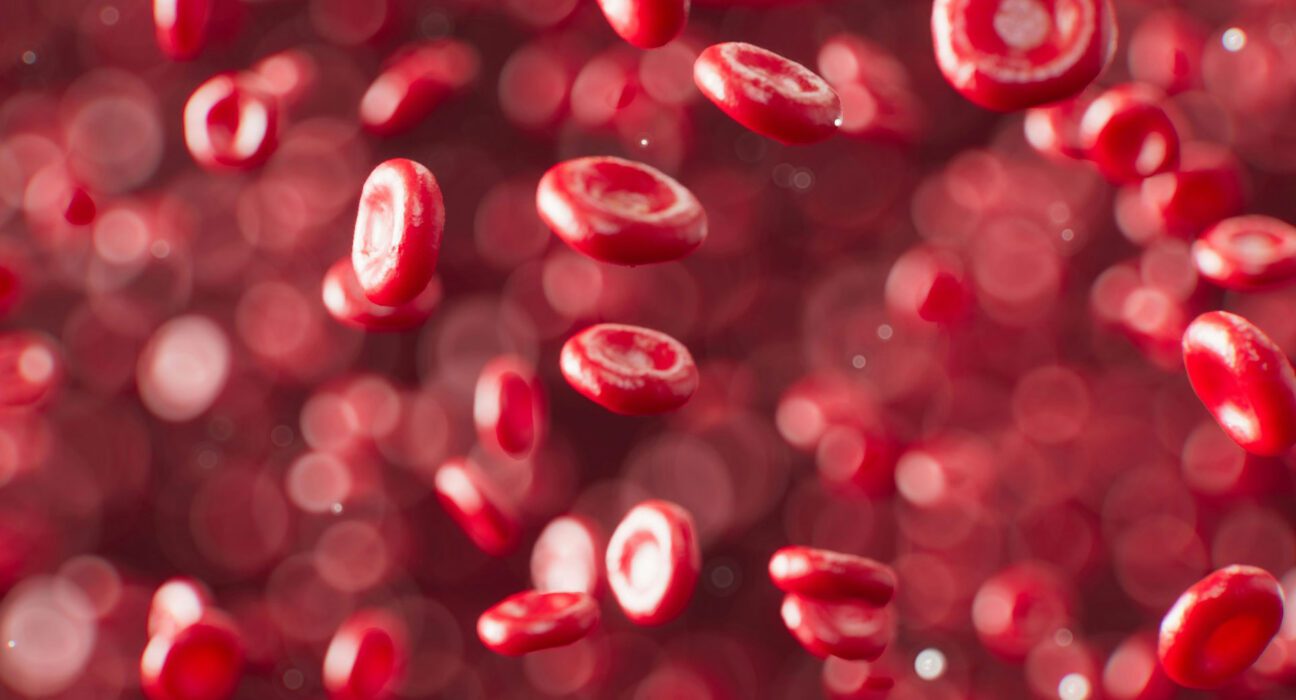
Microclots in Long COVID can manifest with a variety of symptoms, depending on the affected organs and tissues. Common symptoms associated with microclot formation include persistent fatigue, shortness of breath, chest pain, cognitive impairment, and abnormalities in blood pressure or heart rate.