**Self-Help Relief
Finding help can be challenging. We hope to break down a barrier by providing relief for various Long Covid symptoms.



Finding help can be challenging. We hope to break down a barrier by providing relief for various Long Covid symptoms.
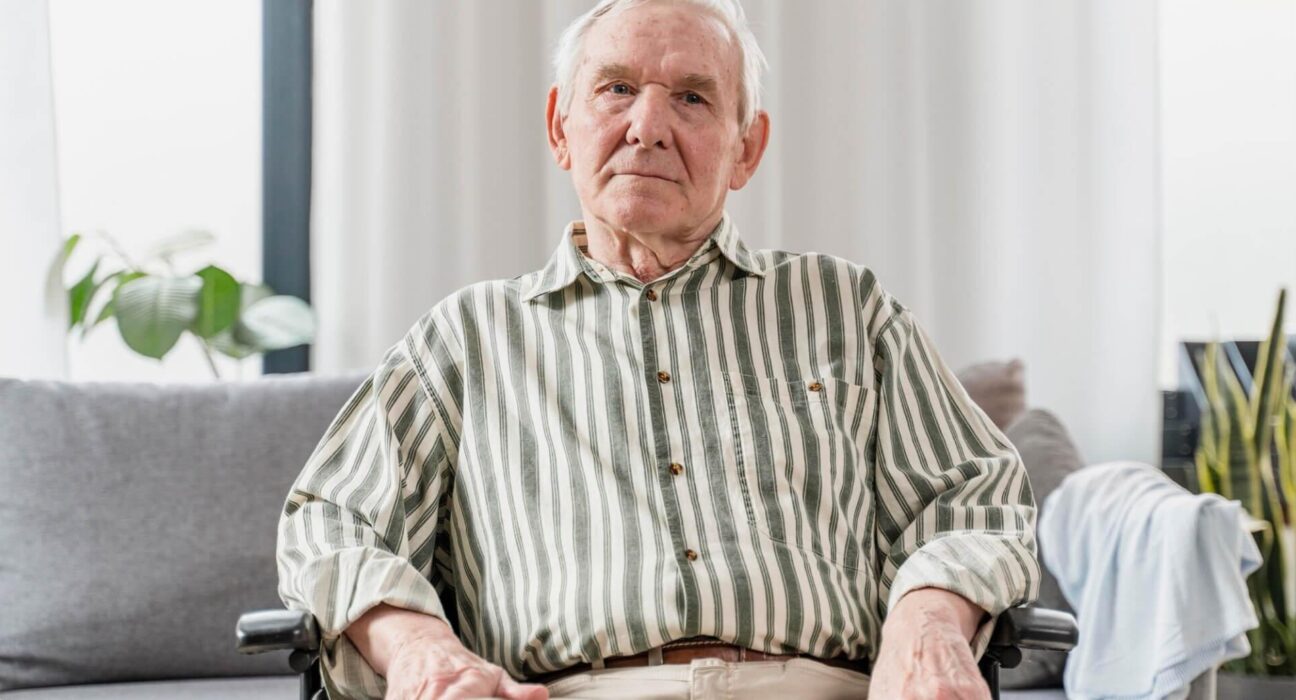
Short-term memory loss in long COVID often manifests as forgetfulness, difficulty recalling recent events, and challenges in concentrating on tasks. Individuals may experience mental fog (brain fog) and find it challenging to retain information, hindering their ability to perform routine activities.
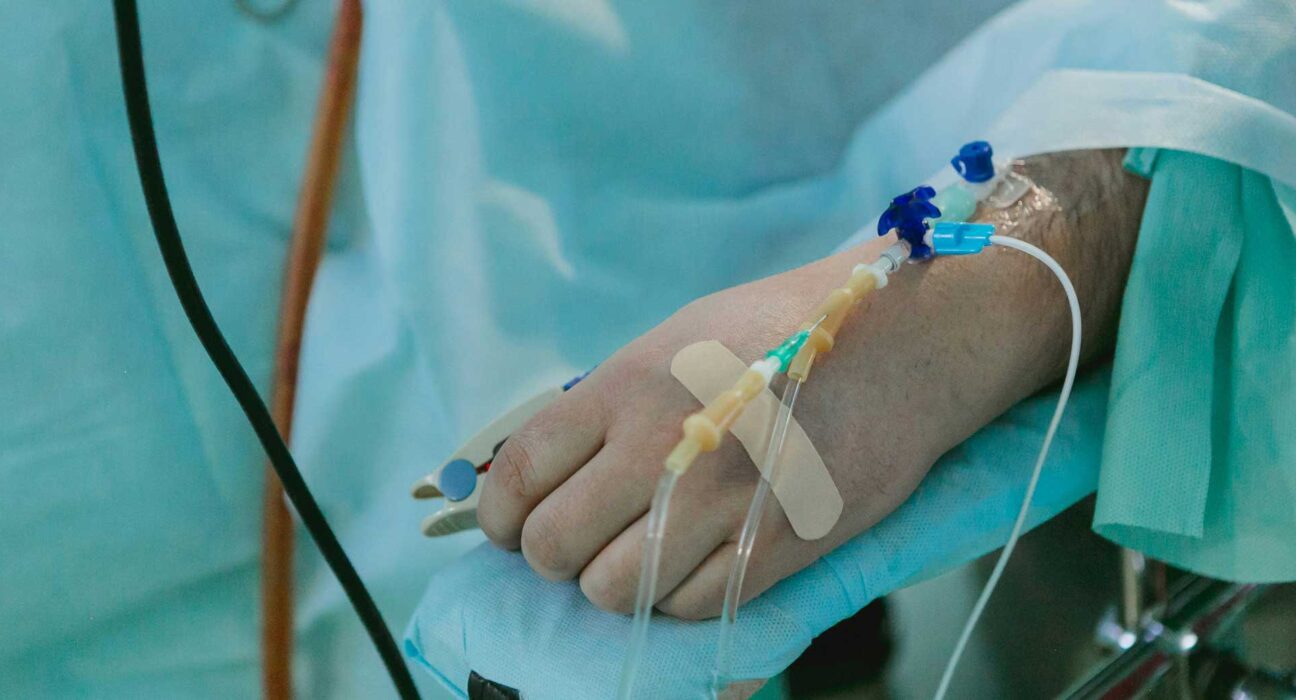
Exploring the complexities of Post-Infectious Fatigue Syndromes reveals a landscape where diagnostic criteria overlap, prevalence data is scarce, and core symptoms persist, hinting at a shared pathophysiology underlying chronic disability post-infection.
In Long COVID, sinus issues like congestion, post-nasal drip, and facial pressure can persist, impacting daily life. Relief strategies include medical assessment, nasal irrigation, steam inhalation, medications like decongestants or corticosteroids, hydration, warm compress, and lifestyle adjustments. Consult specialists for persistent symptoms. Prioritize personalized care for effective management.

Cognitive slowing emerges as a distinct marker in post-COVID-19 conditions, setting apart survivors with enduring symptoms. The pronounced delays observed in simple reaction time tasks signal a potential key factor contributing to cognitive impairments, marking a critical aspect of the post-COVID-19 cognitive landscape.

Centers for Disease Control and Prevention (CDC) reported that approximately 10-30% of COVID-19 patients experience prolonged symptoms.
A study suggests that individuals hospitalized with flu face a heightened risk of long-term health issues, akin to long Covid.

A good practical assessment tool, (app and questionnaire) for long Covid

Long Covid can lead to Post-Traumatic Stress Disorder (PTSD), characterized by intrusive memories, avoidance behaviors, and negative mood changes following the illness. Symptoms include flashbacks, nightmares, and heightened arousal, impacting daily life. PTSD in Long Covid patients warrants attention for comprehensive management and support.

Researchers investigated immune and hormonal differences in individuals with Long COVID compared to those without. They found significant variations, including higher levels of specific immune cells, stronger antibody responses to SARS-CoV-2 and Epstein-Barr virus (EBV), and lower levels of the stress hormone cortisol in Long COVID patients.