**LGBTQ+ and Long Covid
In the face of healthcare disparities and persistent symptoms, LGBTQ+ survivors are forging paths to healing through solidarity, advocacy, and resilience



In the face of healthcare disparities and persistent symptoms, LGBTQ+ survivors are forging paths to healing through solidarity, advocacy, and resilience

Managing palpitations in Long COVID requires a comprehensive approach that addresses both the underlying cause and the symptoms themselves. While there is no one-size-fits-all solution, several strategies may help alleviate palpitations and improve overall well-being

Long Covid symptoms in children can vary widely and may persist for weeks or even months after the initial infection. While some children may recover fully within a few weeks, others continue to experience lingering effects that impact their daily lives.
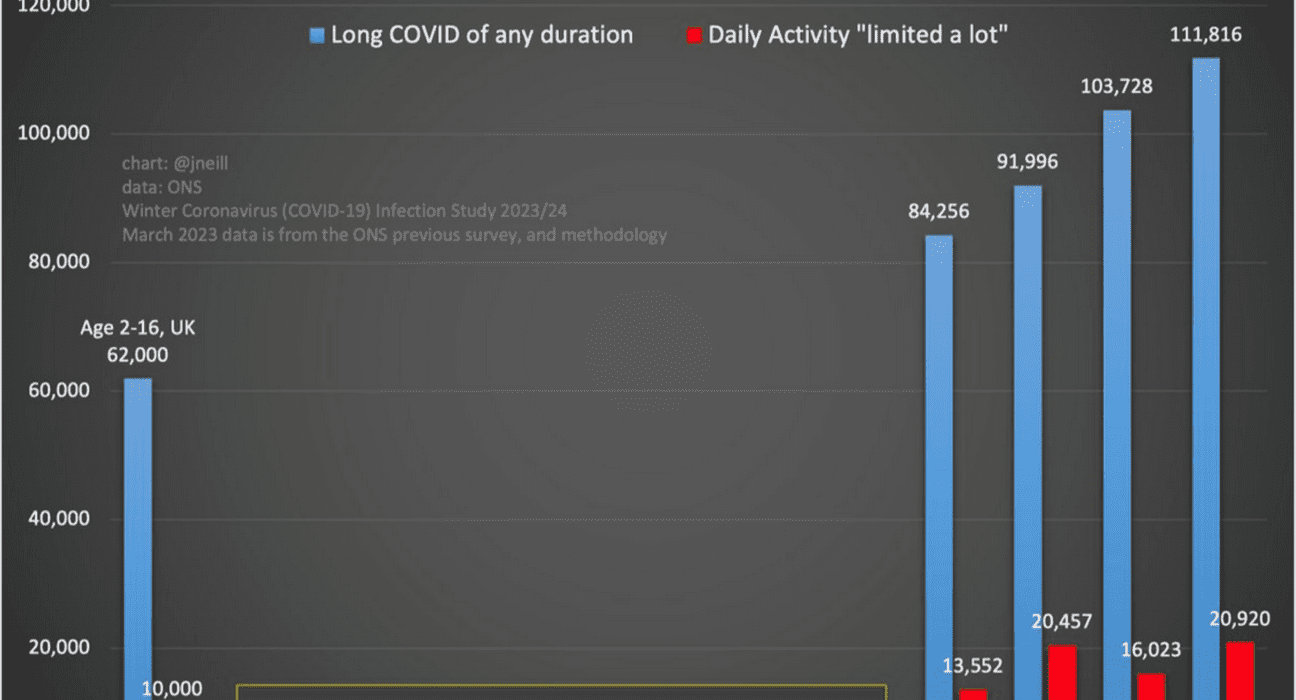
111,816 children (3-17) are now experiencing #LongCovidKids Of which nearly 21,000 have their daily activities "limited a lot"! NOTE these are approx double the rates of March 2023 when the previous survey was stopped

Doctors share experiences and recommendations on diagnosing, managing, and referring patients with Long COVID
This study on persistent COVID-19 symptoms in survivors from Lagos State, Nigeria, reveals that 40.9% of patients experience ongoing health issues like fatigue and headaches. It underscores the importance of continuous post-discharge monitoring to improve survivors' quality of life.
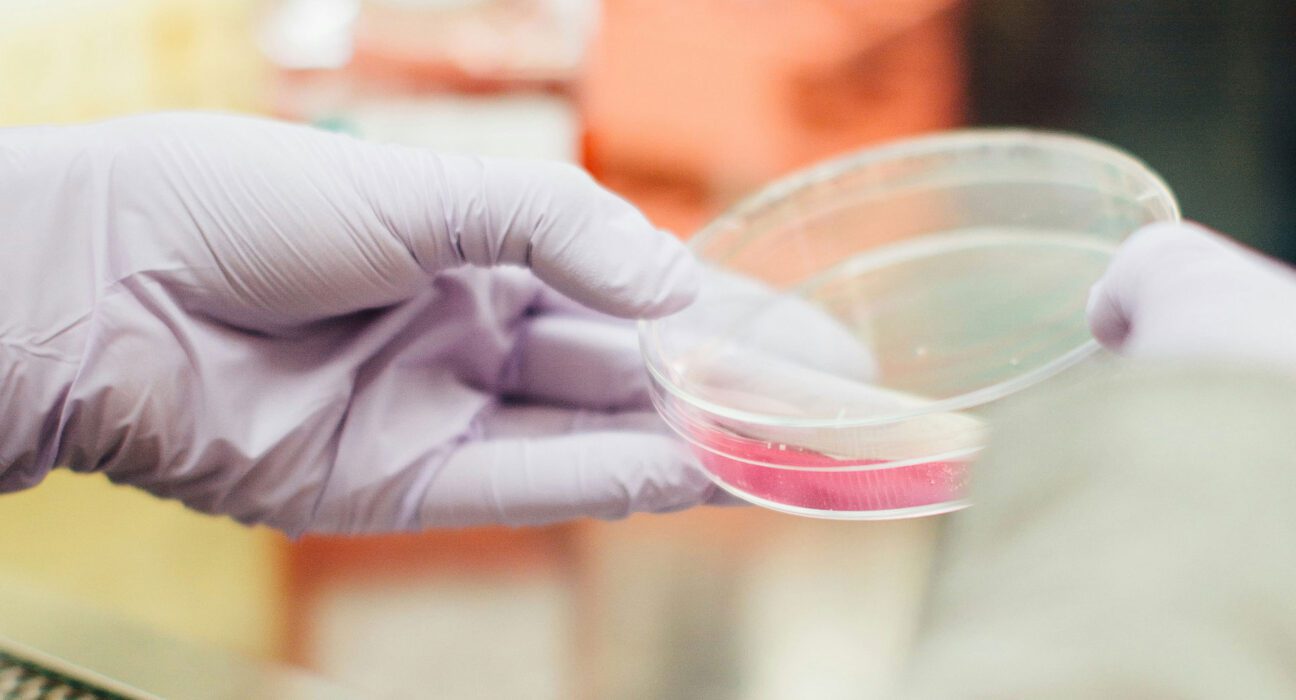
Mitochondria are often referred to as the powerhouse of cells, responsible for producing energy in the form of adenosine triphosphate (ATP) through oxidative phosphorylation. In Long COVID, mitochondrial dysfunction can occur due to various factors, including viral impact, immune system dysregulation, and oxidative stress, leading to impaired energy production and cellular processes.

The COVID-19 pandemic has disproportionately affected Indigenous and racialized women, exacerbating existing inequalities and highlighting systemic issues.

Hosted by Mary C. Curtis, a discussion series explores COVID-19's impact on healthcare, starting with Netia McCray's battle and challenges in diagnosis and treatment, highlighting systemic healthcare issues.
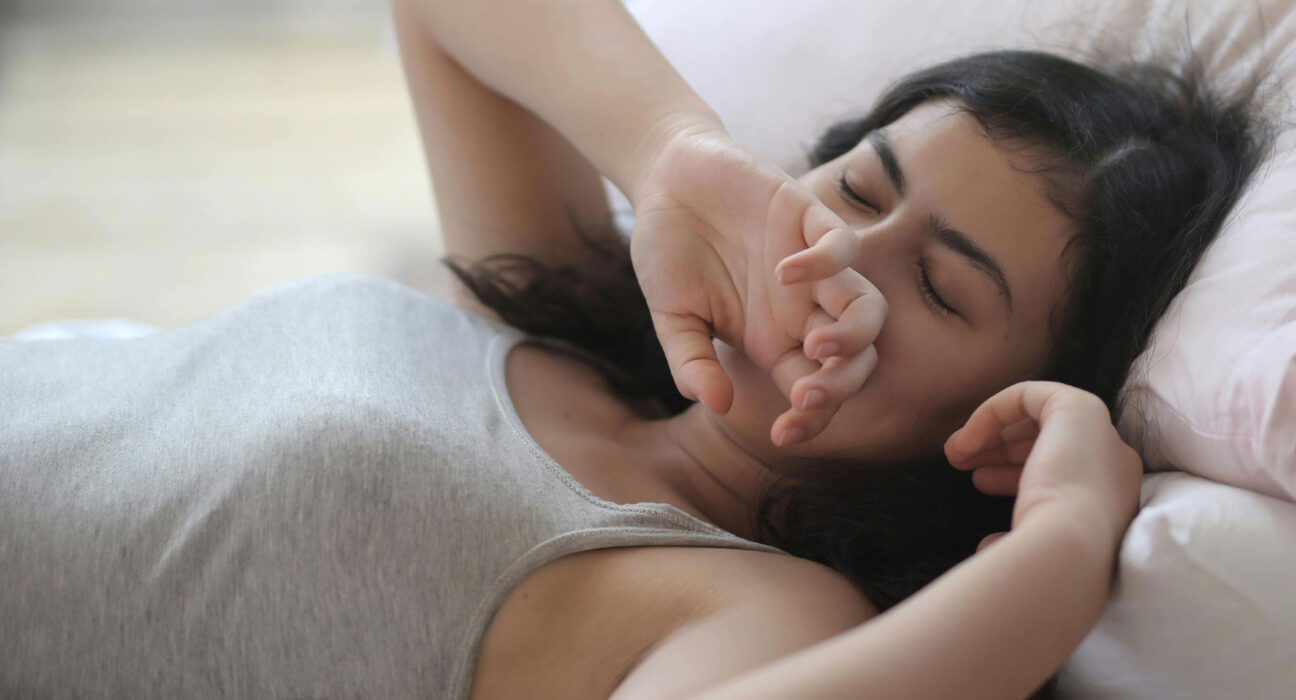
Night sweats refer to episodes of excessive sweating during sleep that can drench clothes and bedding, disrupting sleep patterns and causing discomfort. In Long COVID, night sweats often occur as part of a cluster of symptoms, including feverish sensations, chills, and general malaise, contributing to the overall burden of the condition.